Offer sheet · as of 2026
Kintamani coffee export, scored honestly and priced to grade
Talk to the desk: WhatsApp +6281139414563 · bd@juaraholding.com
Single-origin Arabica green coffee from the GI highlands of Bangli, Bali — Subak Abian terroir, Grade 1 and microlots, EUDR-ready with plot-level geolocation. We read your lot the way a roaster does: process, grade & screen, cup score — then an honest indicative FOB band.
Indicative bands only, not a contract. Score and grade are confirmed on your actual lot by cupping report / COA.
Custom tool
Score-to-FOB Offer-Sheet Builder
Four steps, the way a roaster actually reads a Kintamani lot. It returns an indicative FOB band, the export-document set that ships with the lot, an EUDR flag, and — for a full container — an estimated 20ft fill. Every output is honest and labelled indicative.
Washed Grade 1, screen 16+, SCA 82–84, microlot lot.
Export documents that ship with this lot
- Certificate of Origin
- Phytosanitary certificate
- ICO reference
- Grade / cupping certificate (COA: screen, defect count, SCA score)
- Commercial invoice
- Packing list
- Bill of Lading
EUDR — in scope
Coffee is in EUDR scope. Plot-level geolocation + a due-diligence statement are required for EU buyers. We help you prepare the data pack — we don't sell certainty of clearance.
Estimated 20ft container fill
~250–320 bags of 60 kg per 20ft, roughly 15–19 MT green. Exact fill confirmed against your packing spec.
Bands are indicative and move with harvest, quality and cupping score. Score and grade are confirmed on your actual lot by cupping report / COA. We never issue a firm price here and never guarantee a score or customs clearance.
Data column A
The FOB Score Band
Indicative FOB against SCA band, as of 2026. Every row moves with harvest and score.
| Lot type | Screen / SCA | Indicative FOB (USD/kg) |
|---|---|---|
| Washed Grade 1 specialty | Screen 16+ · SCA ~82–84 | 0–0 |
| Differentiated microlots & naturals | SCA 84–87+ (rare lots higher) | 0–0+ |
| Lower / commodity grade | Below specialty threshold | 0–0 |
Indicative FOB, as of 2026 — moves with harvest / score. A quote confirms grade, score, lot & MOQ.
Data column B
Grade 1 Spec Card
The physical grading facts behind the band. Confirmed per lot on the COA.
High retained share on 17–18 for specialty selections. Figures confirmed on your lot's COA.
Data column C
MOQ & Lot Ladder
Three rungs from microlot to full container, with the FOB export route strip.
Microlot
~5–40 bags · 60 kg
Small differentiated selections for single-origin programs.
Standard
from 1 pallet
Repeatable volumes for growing roasters.
Full container
~250–320 bags / 20ft · ~15–19 MT
FCL programs with locked spec and schedule.
How it works
From cherry to FOB
The provenance rail behind every offer. Milling stays with vetted partners — not us — and we say so plainly.
-
01
Highland origin
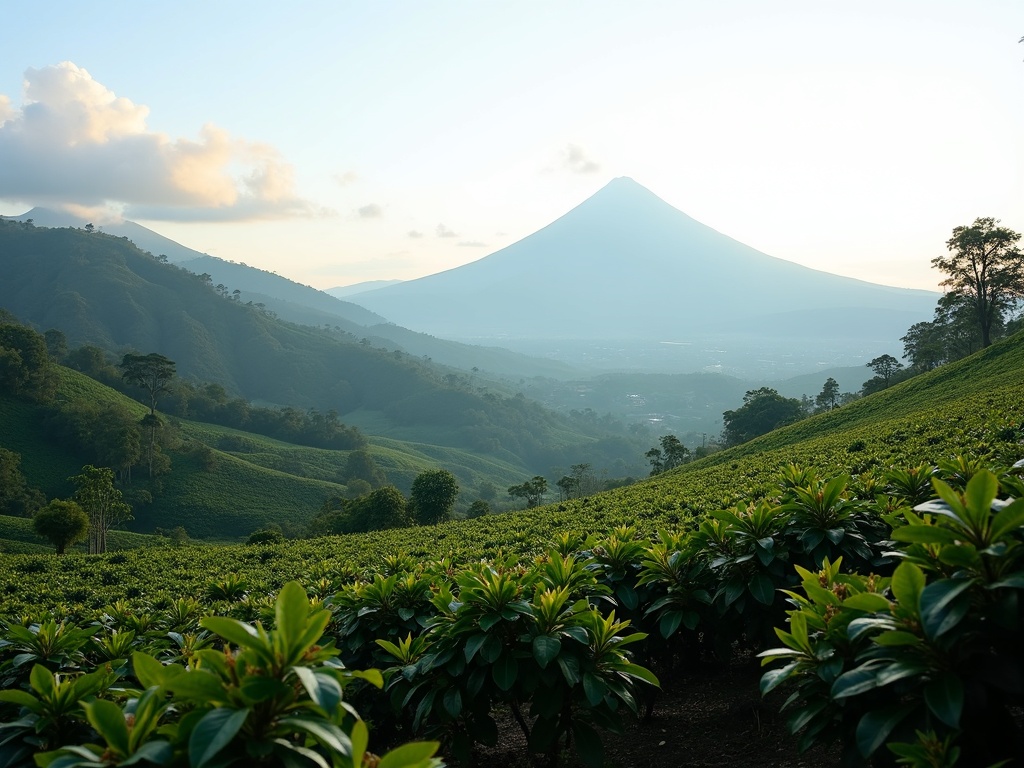
GI Kintamani Arabica from volcanic slopes above Ulian & Catur, Bangli — Subak Abian terroir.
-
02
Licensed dry mill
Processing & grading with vetted milling partners. We broker and coordinate; we don't own the mill.
-
03
Cupping & COA
Screen, defect count and SCA score confirmed on your actual lot — never assumed, never guaranteed.
-
04
EUDR data pack
Plot geolocation + due-diligence statement prepared for EU buyers. We help you prepare, honestly.
Every page, one click
Where do you want to start?
By Process
By Grade
Pricing
Traceability / EUDR
Answer-first FAQ
Straight answers before you ask
What does Kintamani green coffee cost FOB in 2026?
Indicatively: washed Grade 1 specialty (screen 16+, SCA ~82–84) around USD 8–11/kg; differentiated microlots & naturals (SCA 84–87+) around USD 10–15/kg and higher for rare lots; lower/commodity grade about USD 3.5–6/kg. These are indicative, not a contract — a quote confirms grade, score, lot and MOQ.
Is Kintamani coffee EUDR-ready?
Coffee is in EUDR scope, so EU buyers need plot-level geolocation plus a due-diligence statement. We help you prepare that data pack alongside the lot. We prepare, we don't sell certainty of clearance.
How is Kintamani different as a Bali origin?
Kintamani is a Bali highland origin in Bangli Regency — volcanic terroir, GI-protected, farmed under the Subak Abian system, with a bright citrus cup profile confirmed per lot. It's a distinct single-origin story for specialty programs.
What's the MOQ, and what documents ship with a lot?
From ~5–40 sixty-kg bags for microlots up to a full container (~250–320 bags per 20ft). Each lot ships with Certificate of Origin, Phytosanitary certificate, ICO reference, grade/cupping certificate (COA), commercial invoice, packing list and Bill of Lading.
Do you guarantee the cup score or customs clearance?
No — and we'd be wary of anyone who does. Score and grade are confirmed on your actual lot by a cupping report / COA, and clearance depends on your destination authorities. We give you honest indicative bands and a full, verifiable document set.
Request a scored quote
Tell us the process, grade and volume you're after and we'll come back with an honest, lot-specific offer — indicative bands confirmed against a cupping report / COA before anything is firm.
Prefer a page? Head to Request Quote, Booking, or the Contact page.